In moving living spaces such as caravans and boats, a battery must be light, resist vibration and stay maintenance-free for a long time. That is why LiFePO4 batteries are so popular.
Choose the right charging source
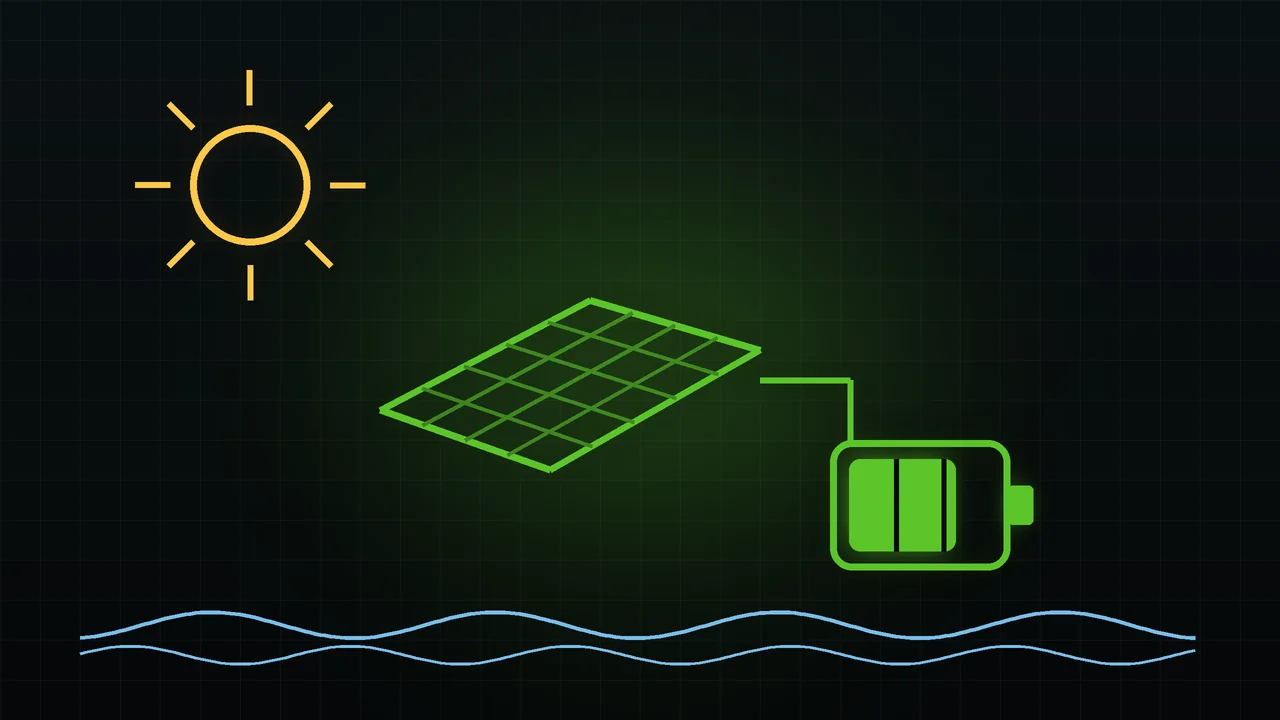
If you charge from the vehicle alternator, a DC-DC charger protects both the battery and the alternator. For solar, choose an MPPT controller that supports a LiFePO4 profile.
Fuses and main switch
Fit a fuse as close to the battery positive terminal as possible and an accessible main switch. The fuse rating must not exceed what the cable can carry.
Cable size and connections
Use short, adequately sized cables on high-current runs; loose or oxidised connections cause heating. Tighten terminals to the manufacturer’s torque.
Placement and ventilation
Secure the battery, keep it away from heat sources and protect it from moisture. On a boat choose a compartment protected from splashing.
Frequently asked questions on this topic
Can I charge a LiFePO4 battery directly from the alternator in a caravan?
Connecting directly can overload the alternator and may not match the charging profile. A DC-DC charger rated for the right current is recommended instead.
Is a lithium battery affected by moisture on a boat?
The battery compartment should be protected from splashing. Protecting terminals and connections from humidity and salty air prevents oxidation. Check the battery’s ingress protection (IP) rating.
Can I connect two lithium batteries in parallel?
Batteries of the same type, voltage and capacity can usually be paralleled. Before connecting, check that their voltages are close and that the manufacturer allows the number of parallel units.
Which fuse should I use?
Choose a fuse below the cable’s current rating and above the system’s maximum current. Use a suitably rated fuse close to the battery positive.