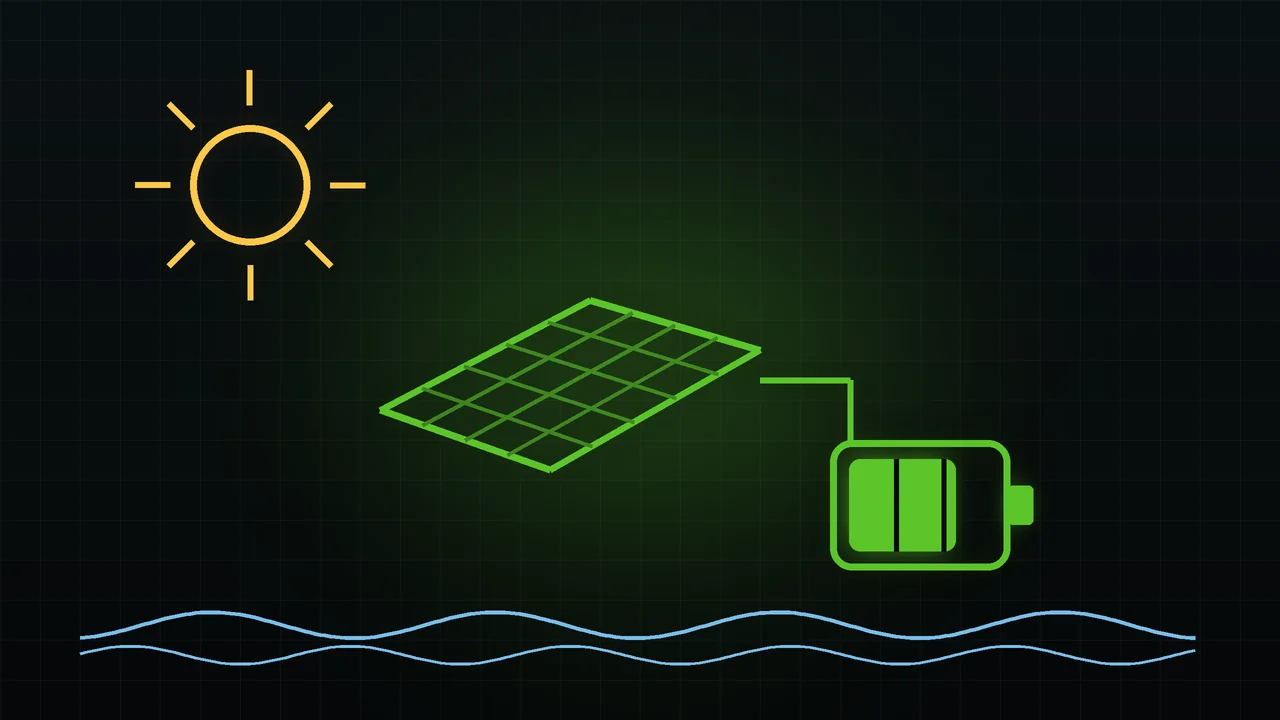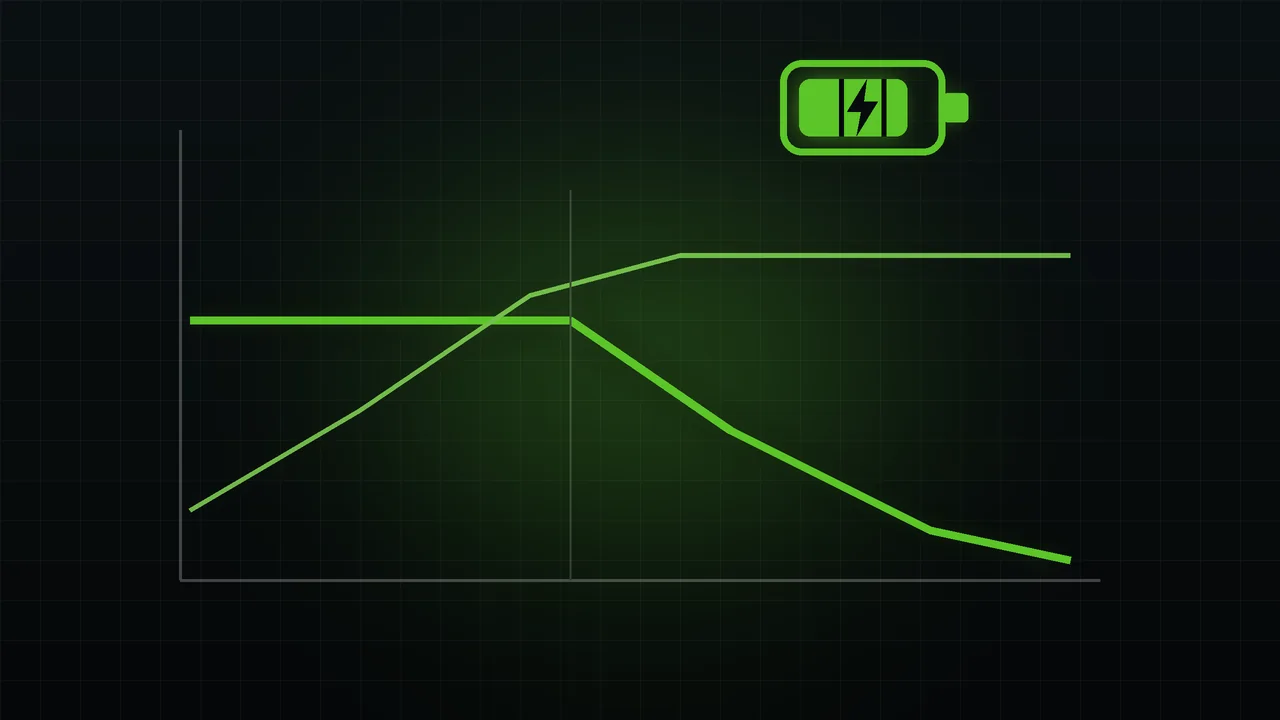
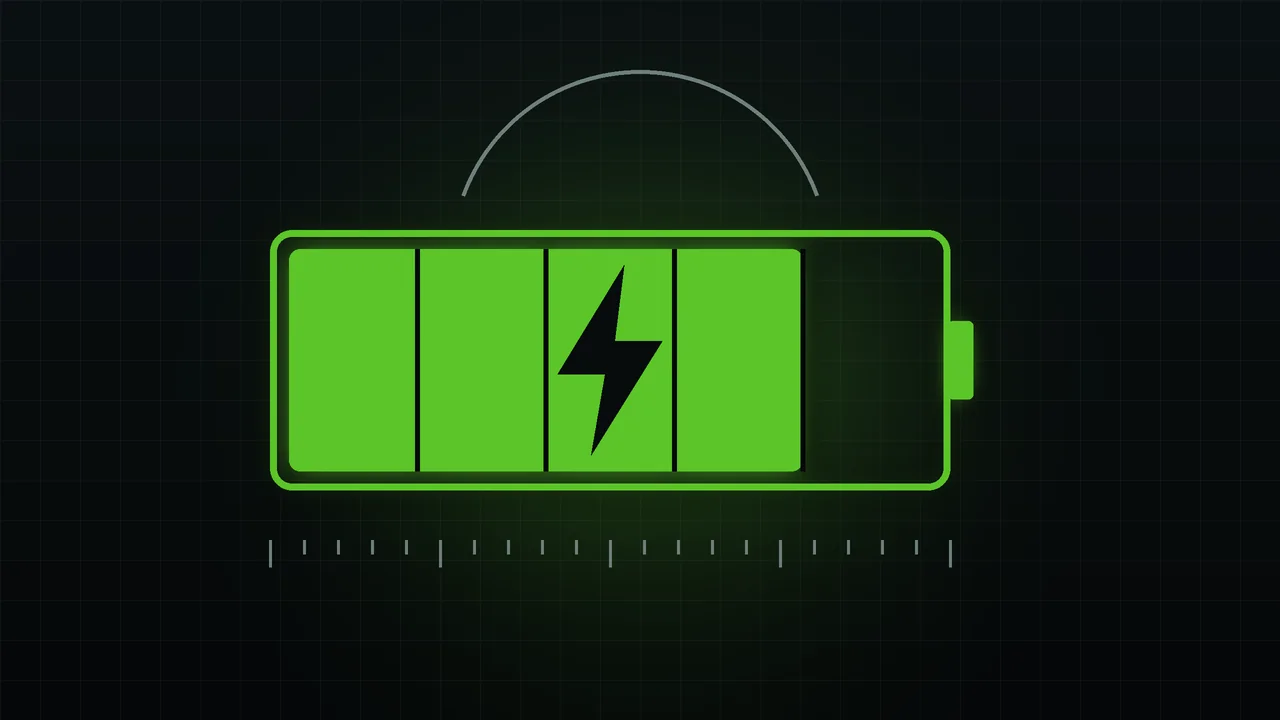
Energy (Wh) equals voltage (V) times capacity (Ah). For example, a 12 V 100 Ah battery stores about 1,200 Wh.
Step by step
- Determine the total power (W) of your devices and their daily run time (hours).
- Calculate daily energy need in Wh.
- Add efficiency losses and a safety margin.
- Divide by the system voltage to get the required Ah.
Example
For a system using 1,500 Wh a day, adding a 15% loss margin gives about 1,725 Wh. On a 24 V system that equals roughly 72 Ah.
Choosing the voltage
As power rises, so does current. At higher power levels a 24 V or 48 V system reduces cable cross-section and heating.
If you are unsure, our engineering team can help.
Frequently asked questions on this topic
What is the difference between Wh and Ah?
Ah is the amount of charge a battery stores, while Wh is actual energy. Wh = V × Ah. When comparing batteries of different voltages, Wh is the fairer figure.
Should I add an efficiency margin?
Yes. Because of inverter, cable and charging losses, leaving roughly a 10–20% margin is sensible in most systems. The real figure depends on the equipment and installation quality.
When should I choose 24 V or 48 V instead of 12 V?
As power rises, current rises too, which means thicker cables and more heating. For continuous loads above a few hundred watts a higher-voltage system is usually preferred.
Can I use the battery’s full capacity?
With LiFePO4 batteries most of the capacity (typically 80–100%) is usable. You still need to respect the BMS protection limits and the manufacturer’s guidance.