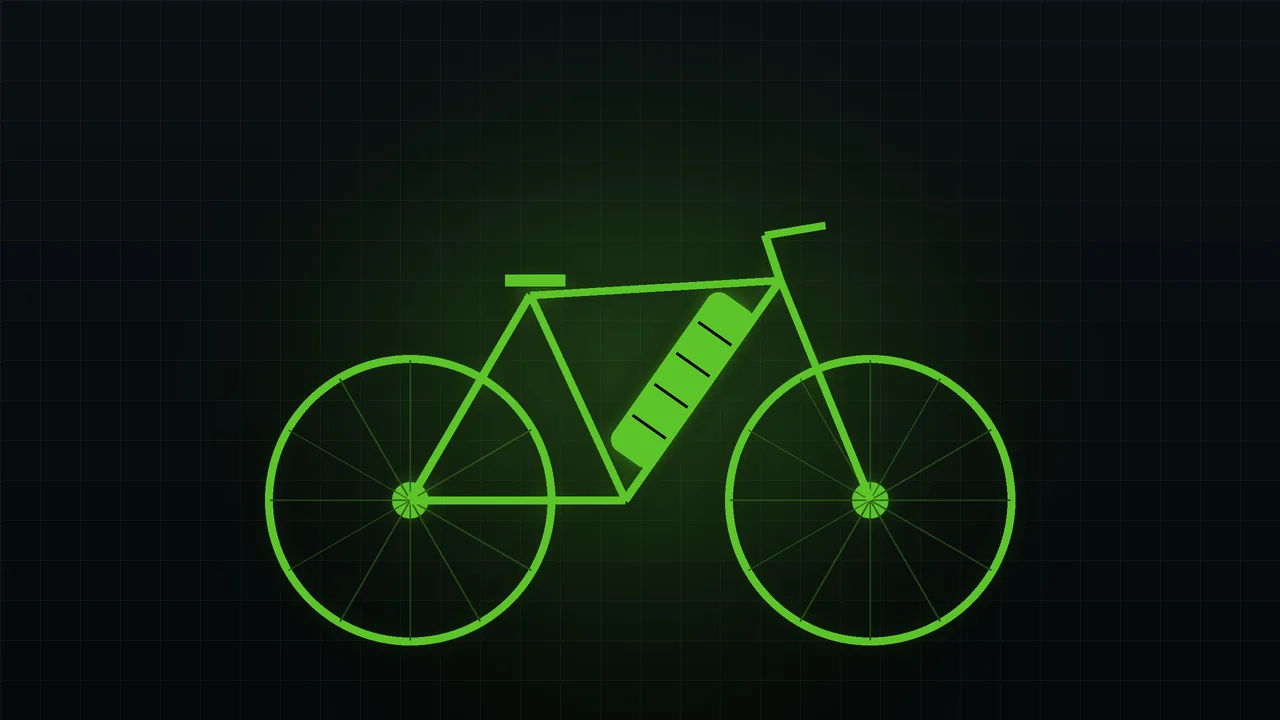
When choosing an e-bike battery, capacity alone is not enough. It must be compatible with the motor and controller, run safely and deliver the range you want.
1. Voltage match
The operating voltage of the motor and controller must match the battery voltage (for example 36 V or 48 V).
2. Capacity and range
Think of capacity in Wh (V × Ah). Range varies with riding style, terrain and rider weight.
3. Cell quality and chemistry
Cell type determines cycle life, weight and safety. LiFePO4 stands out for long life and safety, Li-ion for energy density and light weight.
4. BMS current limit
The BMS continuous current limit must not be lower than the current the controller will draw.
5. Connector and mounting
The battery must fit the mount, the connector must match the controller and the locking mechanism matters.
6. Charger
The charger voltage and current must suit the battery.
Frequently asked questions on this topic
How do I estimate an e-bike’s range?
Divide the battery energy (Wh) by the bike’s average consumption (Wh/km) for an approximate range. Consumption varies with riding style, wind, gradient and assist level.
Can I fit another brand’s battery to my bike?
It is possible if voltage, connector, communication and current limit are compatible. Some systems use proprietary communication between battery and controller, in which case an original or compatible model is needed.
How much does weight increase with higher capacity?
With the same cell type, cell count and weight rise roughly in proportion to capacity. For a lighter pack a higher energy-density cell may be preferred.
How do I make the battery last longer?
Protect it from extreme heat and cold, do not leave it fully empty for long, use a suitable charger and store it about half charged if unused for a long time.